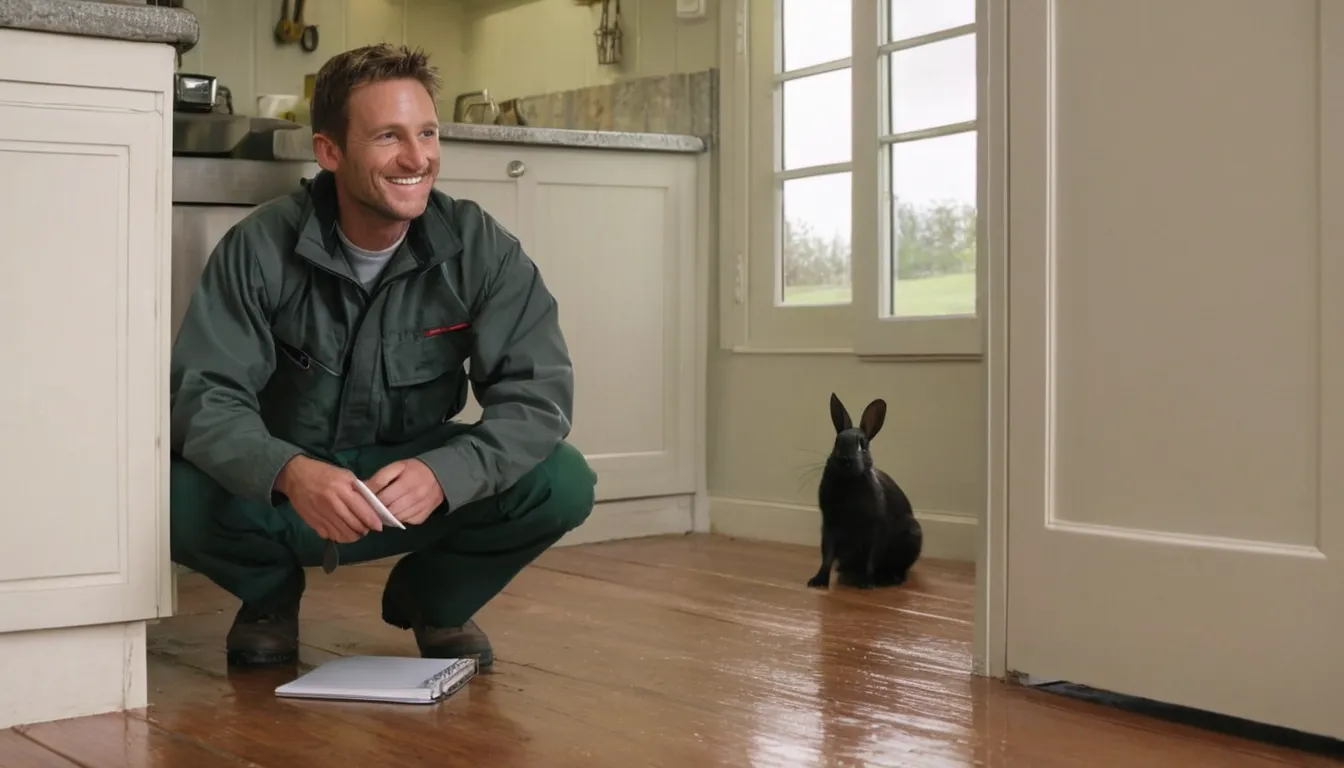
Pest Control for Your Home, Explained Simply
Request an estimate from a local provider
Seeing ants, spiders, roaches or mice inside your home is upsetting. If this is your first time, you may not know who to call or what to expect. This page explains pest control in short, plain words, so you feel ready before anyone visits.
Allfailing Pest Control is a referral service. We do not treat homes. We connect homeowners in Vancouver and the Vancouver area with independent providers in our network. The providers inspect, treat and explain the plan. You can read the steps here, gather your photos, and then ask for an estimate when you are ready.
Bugs in the house? Start here
You saw ants on the counter. Or a spider in the tub. Maybe you heard scratching in the wall. Now you are typing "exterminator near me" and feeling a little lost. That is normal. Most people only go through this once or twice.
Pest control means a trained provider finds the pests, treats them, and helps keep them from coming back. "Exterminator" is the old word for this job. Most providers now say pest control technician or pest control provider.
Allfailing Pest Control does not do the treatment. We connect you with independent providers in our network. They do the work.
Why acting early matters
Small problems grow. A few ants can turn into a trail. One mouse can turn into a family. Roaches and crickets breed fast in warm, damp corners.
In a long wet season, pests move indoors to get out of the rain. Steady damp also feeds moss, soft wood and mold, which many pests like. Acting early usually means a smaller job and a smaller bill.
Start with photos
Before anyone visits, take a few minutes to record what you see. Plain steps first. It helps the provider and it helps you.
- Take clear photos of the pests, droppings, webs or chew marks.
- Note the room, the time of day and what you saw.
- Photograph damp spots, gaps, and cracks near doors and pipes.
- Save any receipts for past treatments.
These records also help if you ever talk with your insurer. Some policies may cover sudden damage, so check your policy. Providers can often help document damage for a claim.
What residential pest control covers
Residential pest control is treatment for houses, townhomes and condos. A visit often has three parts. First, an inspection, which is a careful look inside and outside. Second, a treatment, such as baits, sprays or traps. Third, advice on how to close off entry and remove what draws pests in.
Many providers also treat the outside edge of the home. This is called a perimeter treatment. It creates a barrier around the foundation, eaves and entry points.
Common pests providers treat
Ants, roaches and spiders
These are the most common calls. Ants follow food and water. Roaches hide in warm, dark spots. Spiders come in to chase other bugs. Treating the bugs they eat often helps with spiders.
Crickets and other wanderers
Crickets, earwigs and sowbugs love damp. Crawl spaces and moss near the foundation draw them in. Older craftsman homes with wood trim and small gaps are common targets.
Mice and rats
Mice and rats chew wires and leave droppings. A provider can set traps and bait stations. Larger animal problems, like raccoons or squirrels in the attic, fall under wildlife removal, which has its own page.
Bed bugs
Bed bugs are tiny biting insects that live in mattresses and furniture. Bed bug treatment is a special job. It often needs more than one visit and careful prep. Do not toss your furniture before a provider looks. Take photos first.
Is the treatment safe?
This is the first question most people ask. Good question. Providers use products made for home use. Labels give rules for kids, pets and food areas.
Ask the provider what product they plan to use. Ask how long you should stay out of a room. Ask about pets, fish tanks and gardens. A clear provider answers in plain words and can give you the product label.
One visit or an ongoing plan?
Some problems need only one treatment. A single ant trail is a good example. Others need a plan, with visits every few months. Wood-frame houses, crawl spaces and wet weather often make plans useful.
Ask what each option includes. Ask if follow-up visits are part of the price. Ask how to stop the plan if you change your mind. Get the answers in writing.
How to pick a provider
You do not need to know the trade. You need to ask a few simple things.
- Is the provider licensed in Washington? Ask to see it.
- Do they carry insurance?
- What will they do, step by step?
- Is the quote written and clear?
- What happens if the pests return?
Request a callback to check provider availability. You can also use the request form and tell us what you found.
Help the treatment work
Your part matters. Clean up crumbs and spills. Store food in sealed containers. Fix leaky pipes and drains. Clear leaves and moss from near the foundation. Seal small gaps around doors, vents and pipes.
After a treatment, follow the provider's notes. Do not wipe baited areas unless told to.
Keep a simple log
Write down the date of each visit, what was treated, and what you saw after. If pests come back, the log shows the provider what to check. It also keeps your paperwork ready for any later estimate or claim.
What's Included
Home Inspection
A provider checks inside rooms, the attic, the crawl space and outside walls to find where pests enter.
Targeted Treatment
Baits, sprays or traps are placed where the pests live, travel and feed.
Perimeter Barrier
Many providers treat the outside edge of the home to slow new pests from coming inside.
Prevention Advice
You get plain tips on sealing gaps, fixing damp spots and storing food so pests stay away.
Typical Pest Control Costs
Prices vary by pest, home size and how bad the problem is. These are typical U.S. ranges only. Always ask for a written quote before work starts, and compare what each one includes.
| Service | Typical range | Notes |
|---|---|---|
| Inspection visit | $75 – $200 | Some providers apply it to treatment |
| One-time general treatment | $150 – $400 | Common for ants, spiders, crickets |
| Ant or roach treatment | $150 – $500 | May need a follow-up visit |
| Quarterly plan, per visit | $100 – $250 | Often ongoing, billed every few months |
| Bed bug treatment, whole home | $1,000 – $3,000 | Heat or chemical, often several visits |
| Follow-up visit | $75 – $200 | Check what your quote already includes |
How It Works
Take Photos and Notes
Record the pests, the signs they leave, and where and when you see them.
Contact Us to Connect
Request a callback or send the request form, and tell us what you found.
Compare Estimates
Review written quotes. Check what each covers, including follow-up visits.
Prep and Keep a Log
Follow the provider's prep list, then note each visit and what changes.
Why Call Allfailing Pest Control
Plain Steps
We explain each stage in short words, so you know what to expect before a provider arrives.
Local Providers
Independent providers in our network work in homes like yours, including older and newer builds.
Ready Paperwork
We help you gather photos and notes so your estimate request is clear and complete.
No Obligation
Requesting an estimate does not commit you to any work or plan.
Other Services
Need pest control in Vancouver?
Tell us what you found at home. Send the request form with a few photos, and a local provider in our network can follow up with next steps.
No obligationPest Control FAQ
How do I find an exterminator near me?
Search for licensed providers in your area and ask for a written quote. You can also send a request to Allfailing Pest Control, and we will connect you with an independent provider in our network.
Is pest control safe for kids and pets?
Providers use products made for home use and follow label rules. Ask which product they plan to use, how long to stay out of a room, and what to do about pets.
How long does pest control take to work?
It depends on the pest. Some ants fade in days. Roaches and bed bugs can need several visits over weeks. Your provider should explain the plan and follow up in writing.
Request a callback
Tell us what you found at home. Send the request form with a few photos, and a local provider in our network can follow up with next steps.
No obligation